
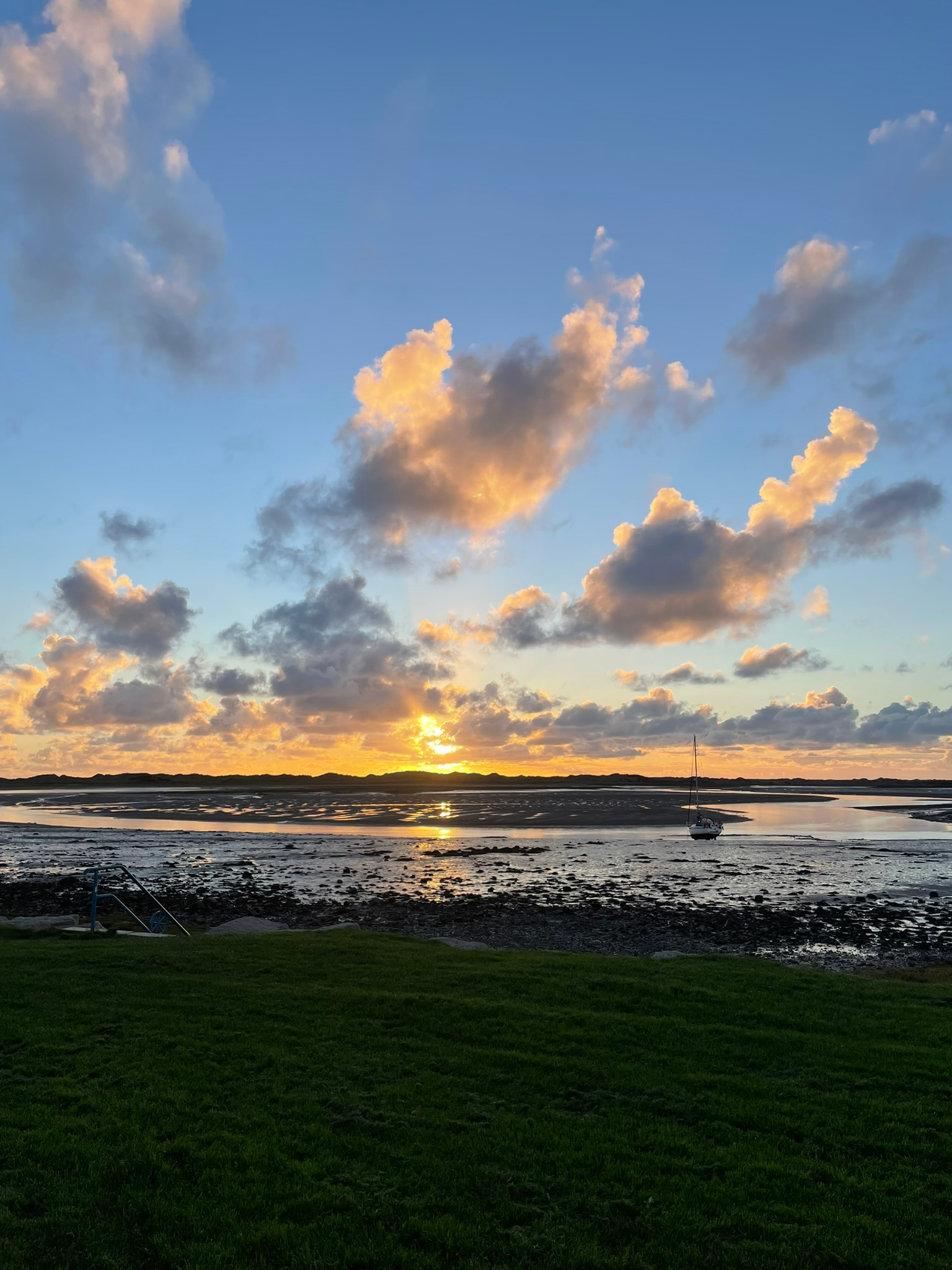
I have recently come back from an autumnal trip to the glorious Lake District, where the water is plenty – still lakes, bustling rivers, peaceful tarns and changing tides. This made me think more about a concept I recently read about, called “Blue Mind”. The idea that we are inherently drawn to water and that being near it can have a transformative effect on the mind and our wellbeing.
Blue Mind was coined by marine biologist Wallace J. Nichols, who says it is “A mildly meditative state people fall into when they are in, near, on or under water.” Water is said to capture our involuntary attention, we can’t help but be drawn to it. The gentle movements draw us in without being over-demanding.
It’s in our DNA
It makes sense that we are inherently drawn to water, we need it for survival – humans evolved near water as it was crucial to our existence. Quite simply, where there was water, there was life. There may have also been a subconscious feeling of safety from being near water, with open water providing visibility and safety from predators.
What happens to us when we are near water?
Our heart rate slows
Just two minutes of looking at water can activate your parasympathetic nervous system, lowering blood pressure and encouraging deep breathing.
Our stress hormones drop
Cortisol and adrenaline levels fall as we take in the scene. Water scenes are often perceived as safe and resource-rich, which signals the parasympathetic nervous system (rest-and-digest) to take over and amygdala (the fear centre) to calm down.
Our happy hormones increase
Dopamine and serotonin and oxytocin rise. The gentle novelty of reflections/waves/light stimulates curiosity and pleasure without overwhelming the brain. The calming rhythmic sensory input creates positive feelings. This cocktail causes the slightly euphoric “ahhh” feeling we can get near water.
We get a “brain break”
Mild rhythmic stimuli (waves, rain) foster alpha and theta brain waves, linked to creativity, insight and meditative states. We gain clarity, and creativity has the opportunity flow as our brain gets a calming reset.

The power of waves
Watching the ocean is a stark contradiction to the environment we typically inhabit in our daily lives. Watching the rolling tides and the huge expanse of water ahead of us can give us perspective on life.
When waves crash water molecules collide and break apart, creating negative air ions – tiny, electrically charged particles. Research is still growing in this area, however it is thought this has a particular effect on serotonin levels, increasing them in certain regions and helping stabilise mood and enhance feelings of well-being. This may explain why people report feeling uplifted, clear-headed, or even euphoric near surf or waterfalls.
Ways we can incorporate Blue Mind into our daily life
- Visit water-friendly spaces: On weekends or days off, make an effort to visit beaches, lakes or rivers. Being in natural environments helps to magnify the calming effects of water. I have recently discovered the Find-a-Spring website, where you can input your postcode and the map shows you hot or cold springs in your area (I assumed none near me but was pleasantly surprised!)
- Bring water features indoors: Adding water features like fountains or aquariums to your home or workspace can create a peaceful atmosphere. The sound of trickling water is particularly effective at lowering stress levels. Amazon have some great options for bringing water features into the home.
- Go swimming: Even at the local leisure centre, the sensory experience of actually being in water can help bring you closer to Blue Mind and lower stress hormones like cortisol whilst increasing feel-good chemicals like dopamine and serotonin.
- Mindful moments as you run a bath or shower: As the sound of running water can help bring you into a calmer state, watching and listening as you run a warm bath or shower can trigger a Blue Mind response on a smaller scale at home.
- Listen to water soundscapes: an ocean wave recordings or gentle rain audio can also help promote the calm physiological state of Blue Mind. Spotify has a good playlist called Water Soundscapes which has some calming ambient tracks.

Is Blue Mind an antidote to “Red Mind”?
Red Mind is said to be the stressed, anxious and overstimulated state that modern life often keeps us in. Could more time spent in Blue Mind help us with our always on Red Mind? It seems like this would be so.
This whole concept helps explain why sometimes I feel so drawn to visit the river, particularly in tougher times. When I used to live near the sea I would often take myself off to the beach to help calm. And I would feel better.
One great thing about this is that it is accessible – even if you don’t live by the coast, you are likely able to access water somewhere, whether that be in a local pond, a bath, or even just watching some running water in the home. It reminds me that calm is always available, even in small moments. Wherever you find your water this season, I hope it brings you peace, clarity and a sense of coming home to yourself.
Suzanne

Learn more about Wallace J. Nichols work on Blue Mind